
Entrepreneurship students at the North Dakota State University College of Business recently saw how quickly an idea can move from concept to a working prototype.
Justin Jee, Senior Embedded Software Engineer at NDeavor, visited the class to demonstrate vibe coding—an approach to rapidly building functional website prototypes using AI-assisted development tools.
From Idea to Working Prototype
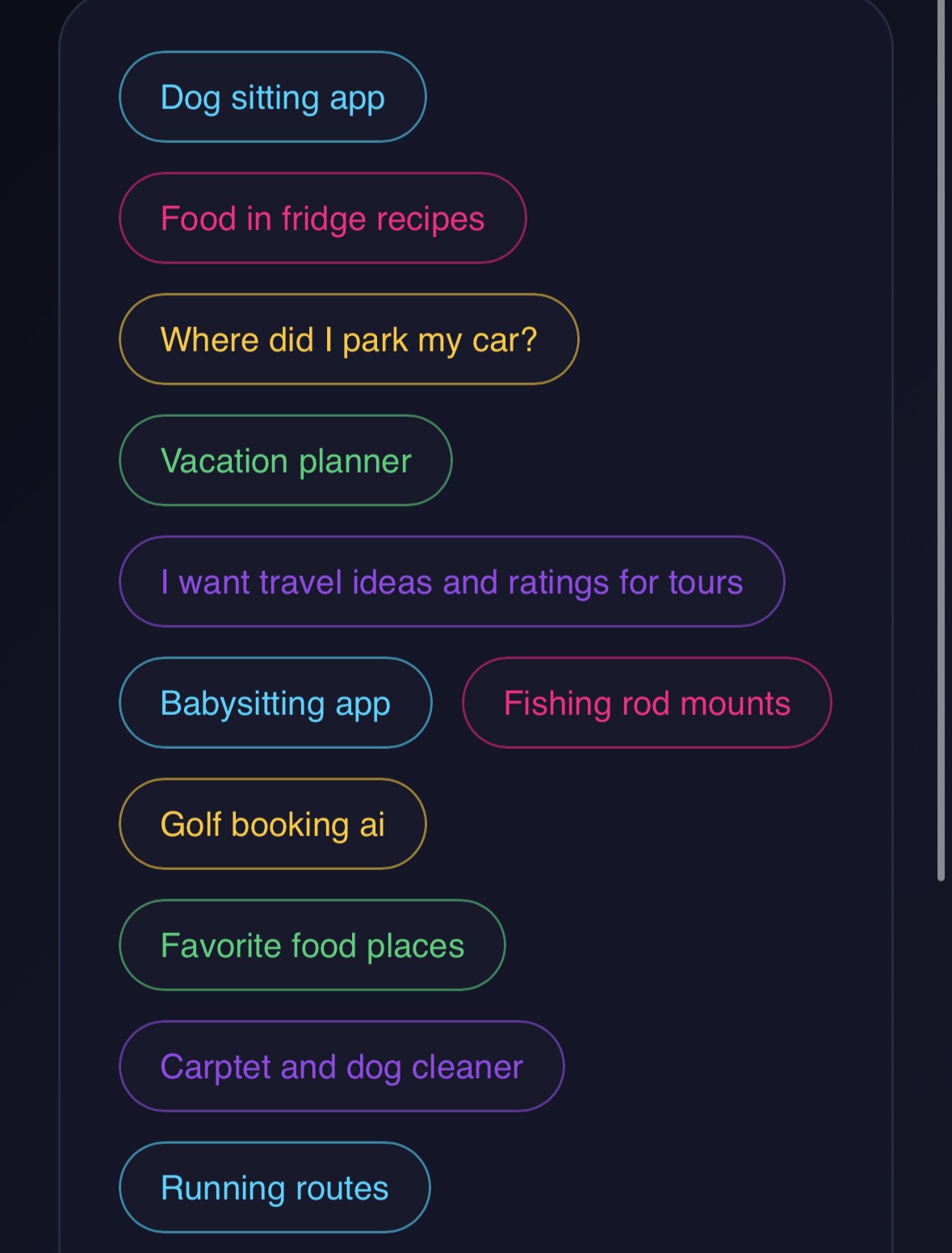
During the session, students participated in a live brainstorming exercise to generate ideas for a potential startup.
The class ultimately selected a concept for an online concierge service that helps golfers book tee times at courses.
From there, Jee demonstrated how a functional website prototype could be generated step by step. Using a series of prompts and iterative adjustments, the idea quickly evolved into a working prototype in front of the class.
The prototype included features such as:
-
- Tee time reservation booking
- Payment integration using tools like Stripe
- Premium listing options that could allow golf courses to feature their courses on the platform
The exercise showed how quickly entrepreneurs can move from an initial idea to a tangible product that can be tested and refined.

Engineering Still Matters
While the tools allow rapid development, the session also highlighted the importance of responsible engineering.
Jee emphasized that security must be a clearly defined role in any software project and shared examples of security and public-relations failures that occur when it is overlooked.
The message was clear: modern development tools can accelerate prototyping, but strong engineering practices remain essential.
Supporting Innovation in the Classroom
The visit was part of NDeavor’s continued engagement with students at NDSU. Earlier in the week, Adam Elznic, Manager of Innovation and Incubation at NDeavor, presented to the same class about prototyping in product development. Elznic was joined by James Pladson, founder of Reach Right USA, a company NDeavor supported during the development of its product.
“Justin’s session built on that momentum by showing how AI tools can accelerate the digital side of prototyping just as quickly,” said Elznic.
Experiences like these help students see how ideas move from concept to prototype—and how engineering and experimentation turn those ideas into real-world solutions.