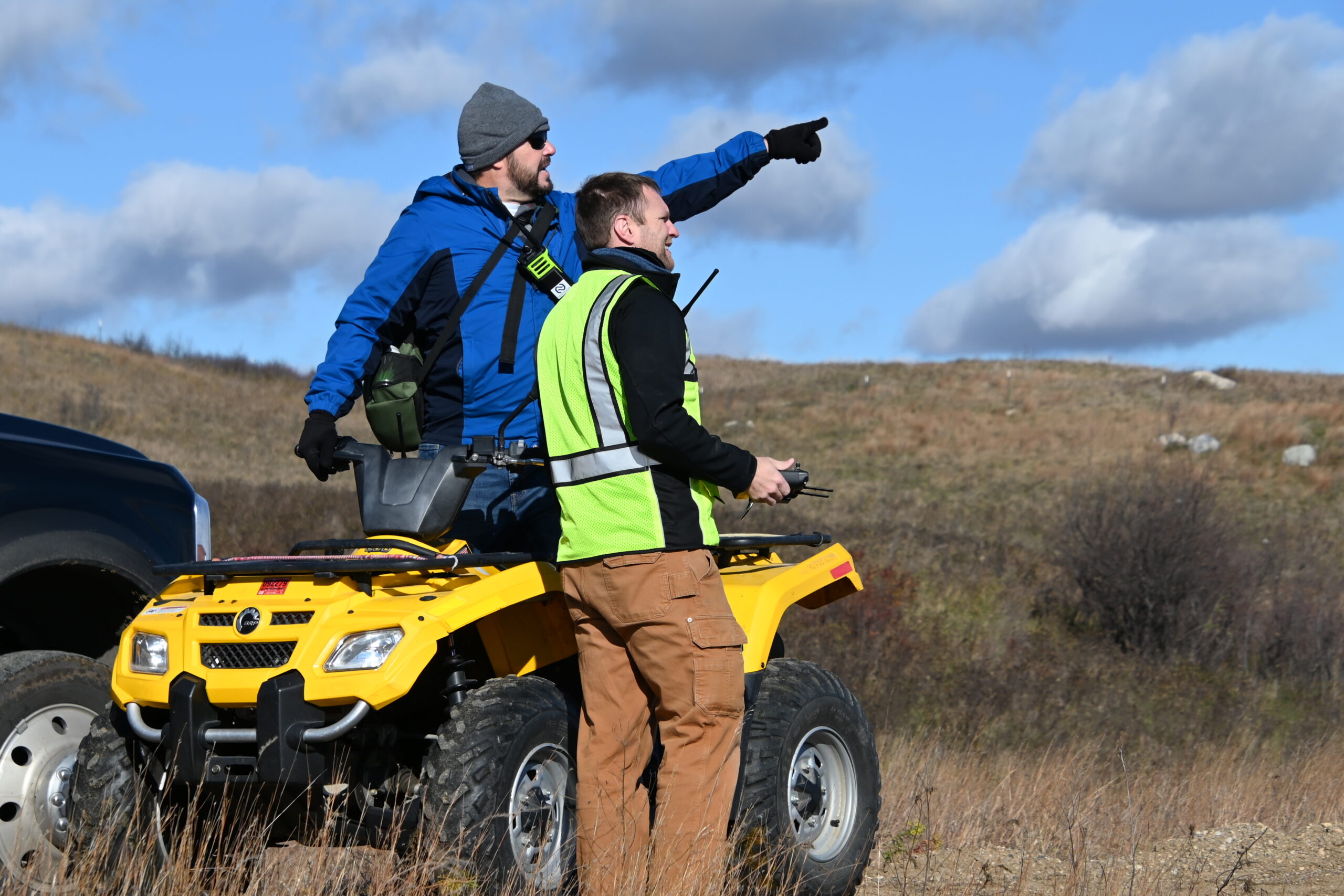
In complex, high-stakes environments like search and rescue, the gap between what should work and what actually works becomes clear very quickly. Plans meet terrain. Assumptions meet radio traffic. And small inefficiencies can ripple into real operational challenges.
That’s why observation alone isn’t enough. What matters is what happens next.
Exercises Reveal the Gaps — If You’re Paying Attention
Search and rescue exercises bring together multiple agencies, systems, and teams under realistic conditions. They’re designed to test coordination and preparedness, but they also surface friction points that are easy to miss on paper: overloaded communications channels, repeated information, limited visibility into where teams are and who is speaking, and data that’s difficult to use once the exercise ends.
These aren’t failures. They’re signals.
When organizations take the time to closely observe how tools and workflows perform in the field, exercises become more than training events — they become opportunities to identify where targeted improvements could make a real difference.
As noted by Maj. Ryan Bergh, 119th Wing, North Dakota Air National Guard,
“Any chance we can get to sit down and work on building those relationships, it’s going to help when the call comes to do a real-world crisis response.”
Why Speed Matters After the Exercise
Traditionally, insights gathered during exercises are documented, reviewed, and addressed over long timelines. By the time solutions are implemented, the context has often changed, or the urgency has faded.
Rapid prototyping changes that dynamic.
Instead of treating exercises as endpoints, rapid prototyping treats them as starting points. Observations are translated quickly into testable ideas, built within real-world constraints — existing systems, current workflows, and the realities of field use — and evaluated where they matter most.
The goal isn’t perfection. It’s usefulness.
Why Field-Based Prototyping Works
Rapid prototyping in the field offers advantages that traditional development cycles struggle to match:
- It respects real constraints. Solutions are designed to work within existing systems, not idealized ones.
- It reduces risk. Testing happens during exercises, not during live emergencies.
- It accelerates learning. Teams gain actionable insight in weeks instead of years.
- It strengthens readiness. Improvements are informed by real use, not assumptions.
Most importantly, it shortens the distance between learning and improvement.
Beyond Search and Rescue
While search and rescue offers a clear example of why speed and adaptability matter, the principle applies far beyond a single mission type.
Any environment that depends on coordination, communication, and timely decision-making benefits from rapid learning cycles — emergency response, defense operations, infrastructure, and emerging industries alike.
When conditions are dynamic, the ability to observe, adapt, and test quickly becomes a strategic advantage. Rapid prototyping makes that possible by ensuring lessons learned don’t stay on paper — and that insights gained in the field translate into real capability.